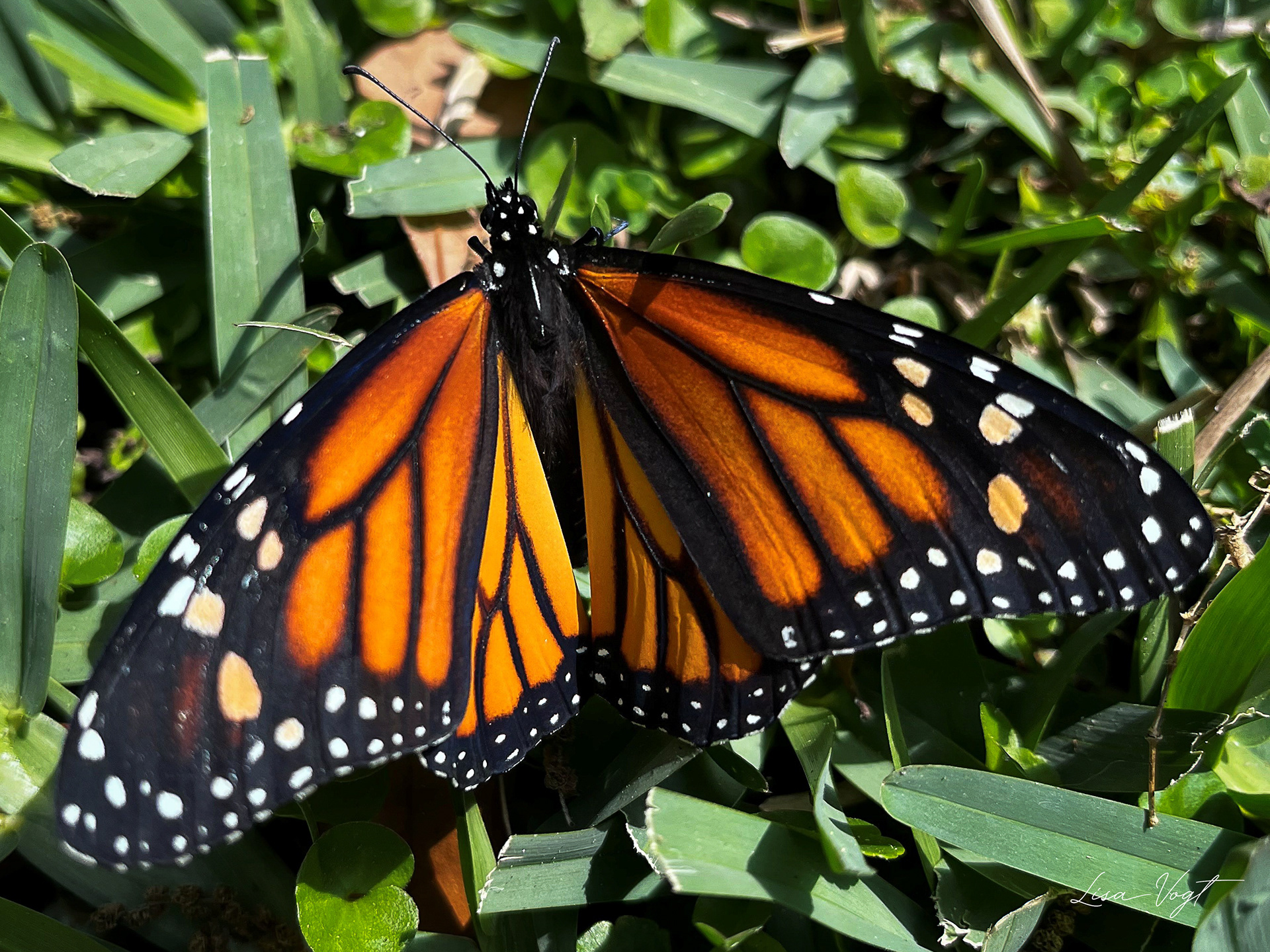
Monarch Butterfly, Wesley Chapel, Florida
The life cycle of a monarch butterfly is an amazing journey of growth and transformation, consisting of four distinct stages: egg, caterpillar, chrysalis, and adult butterfly.
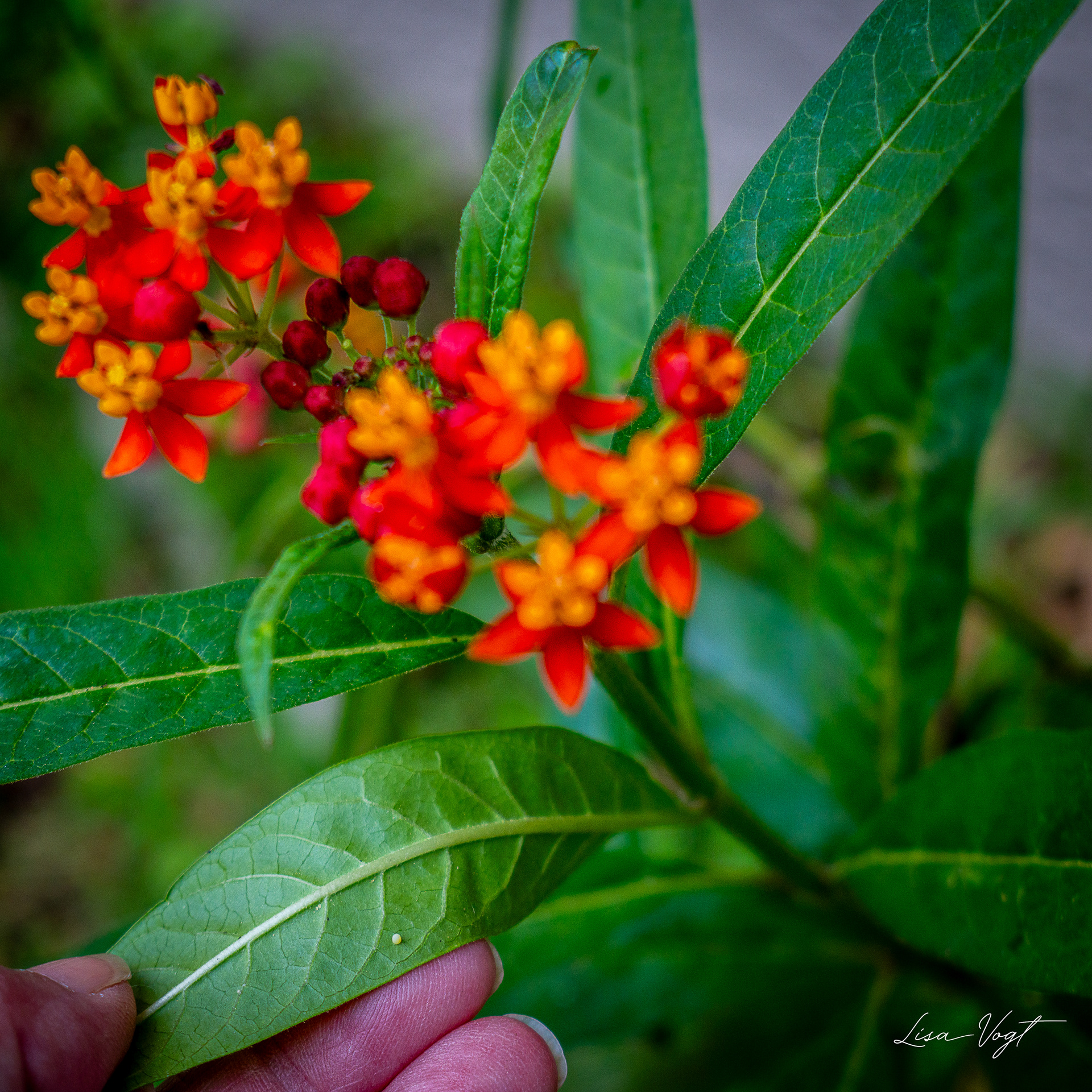
The cycle begins when a female monarch lays tiny, cream-colored eggs on the underside of milkweed leaves. Milkweed is the only plant monarch caterpillars eat, making it essential to their survival. After about 3 to 5 days, the egg hatches into a small striped caterpillar, also called a larva.
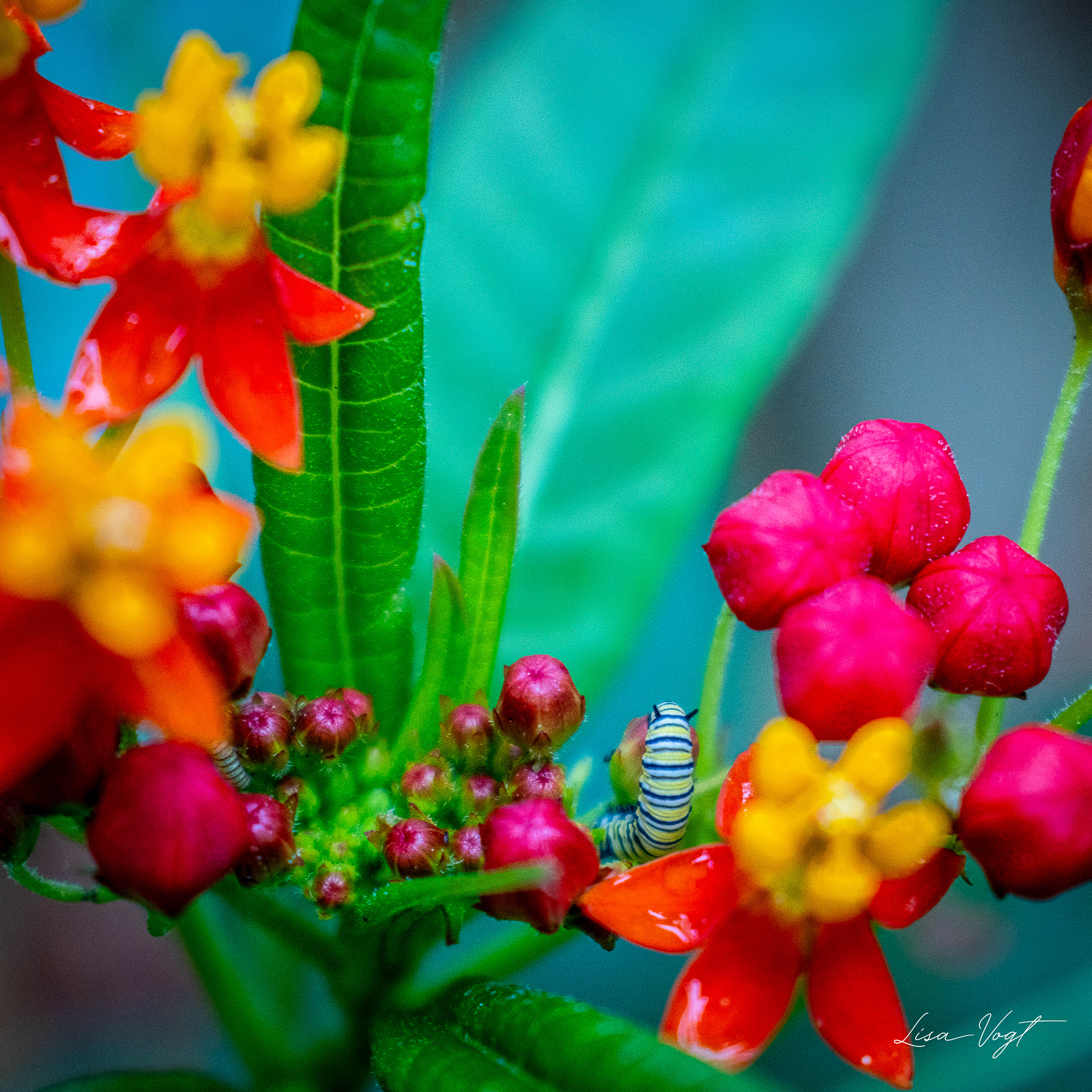
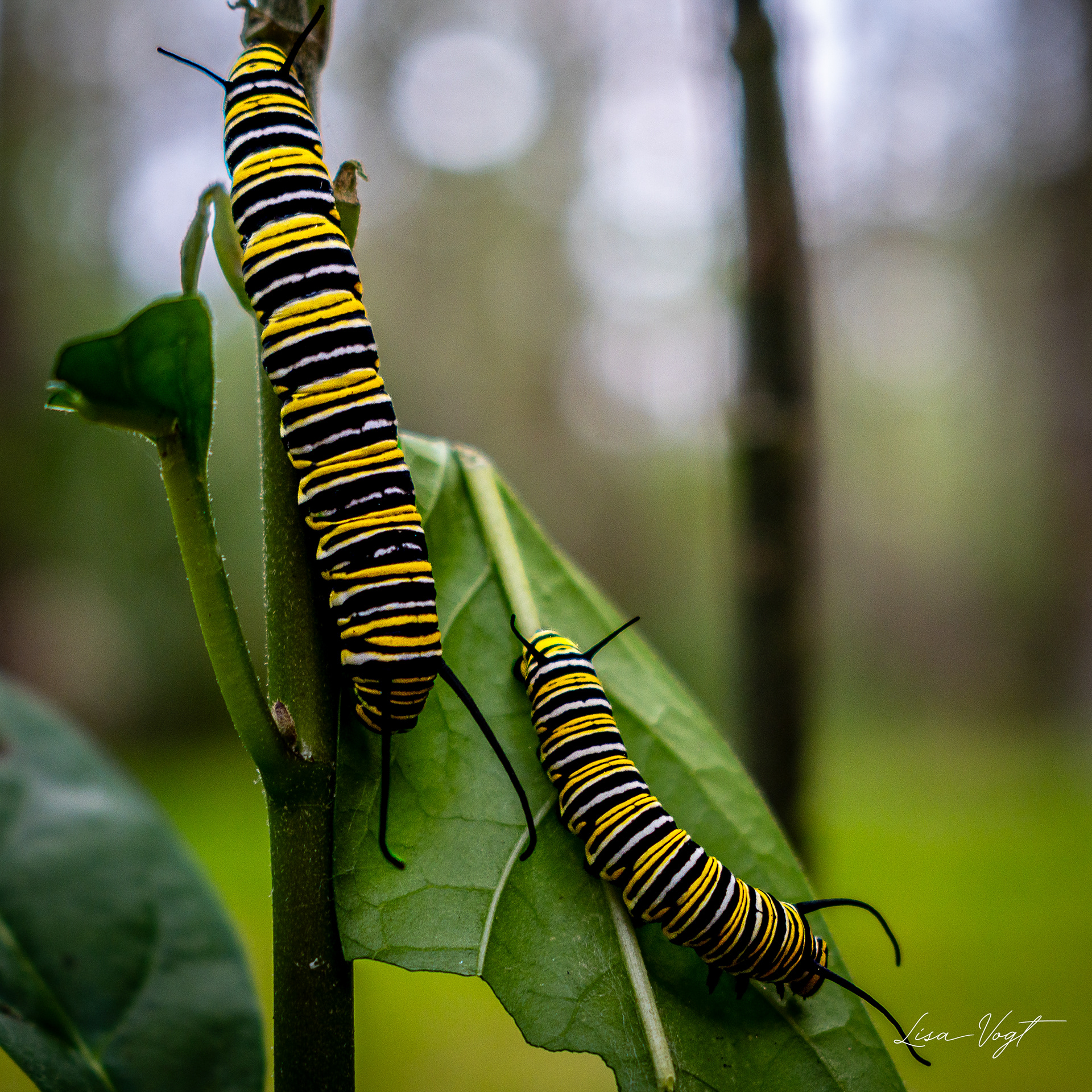
During the caterpillar stage, the monarch spends nearly all of its time eating milkweed leaves and growing. As it grows, it sheds its skin several times in a process called molting. After about 10 to 14 days, the caterpillar is fully grown and ready for its next transformation.
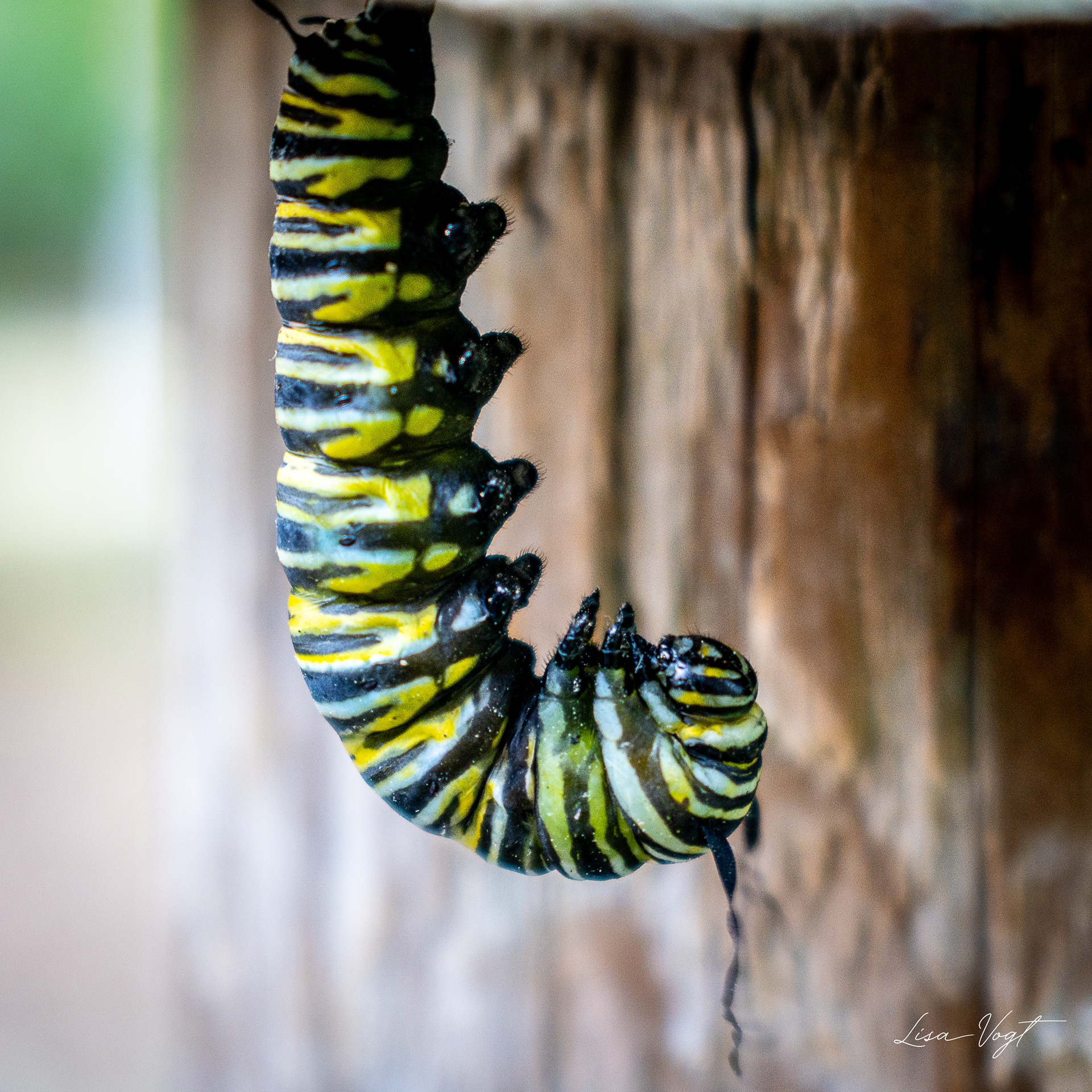
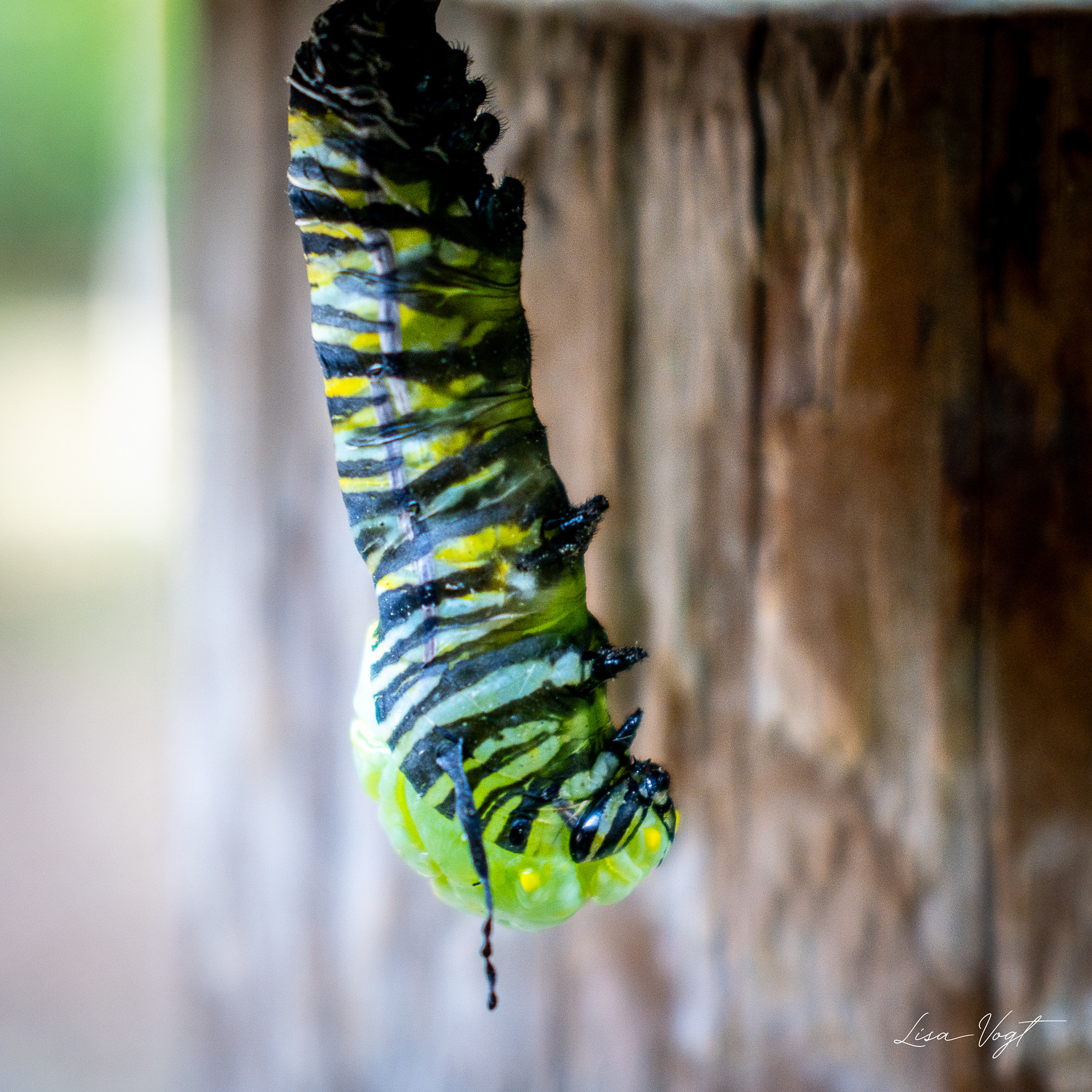
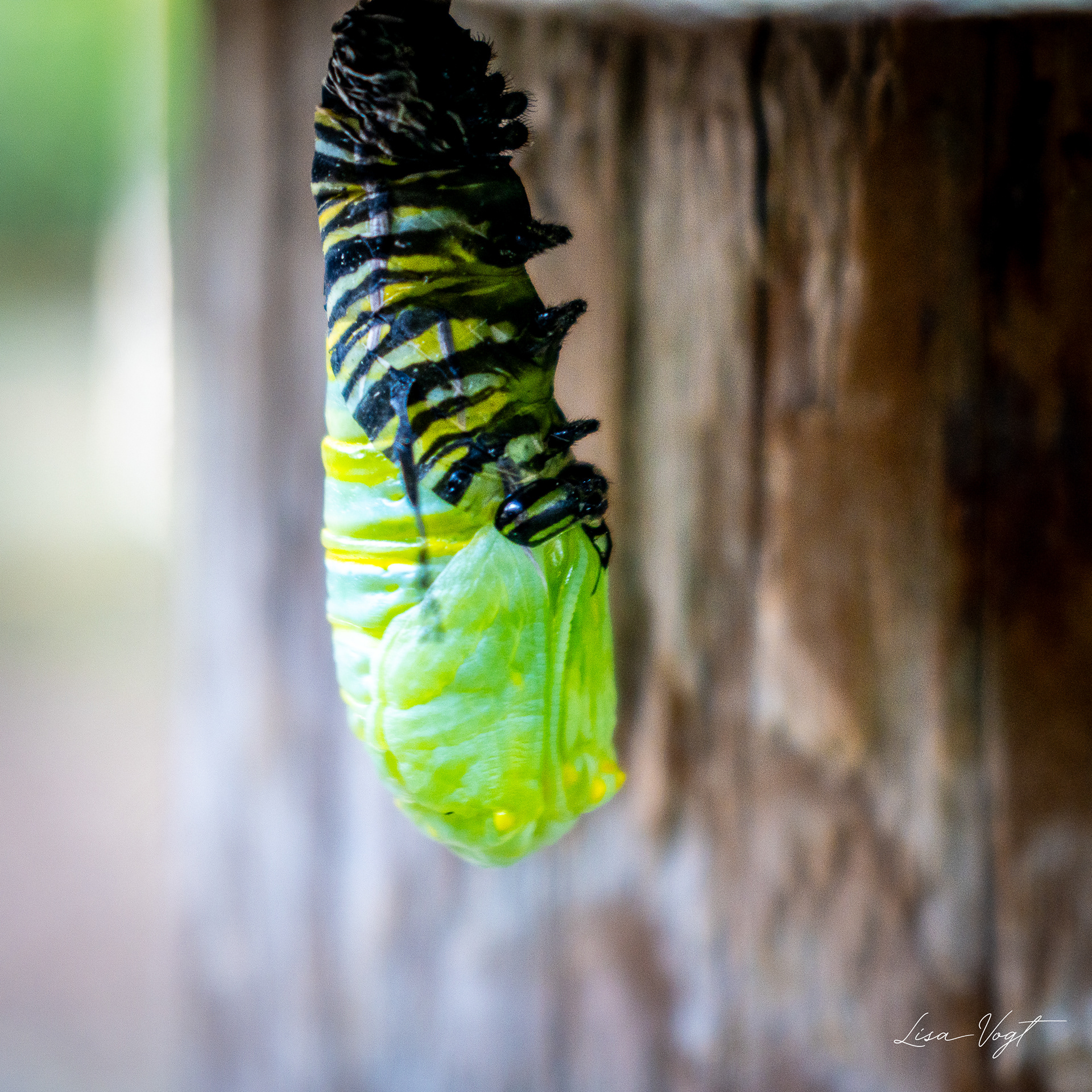
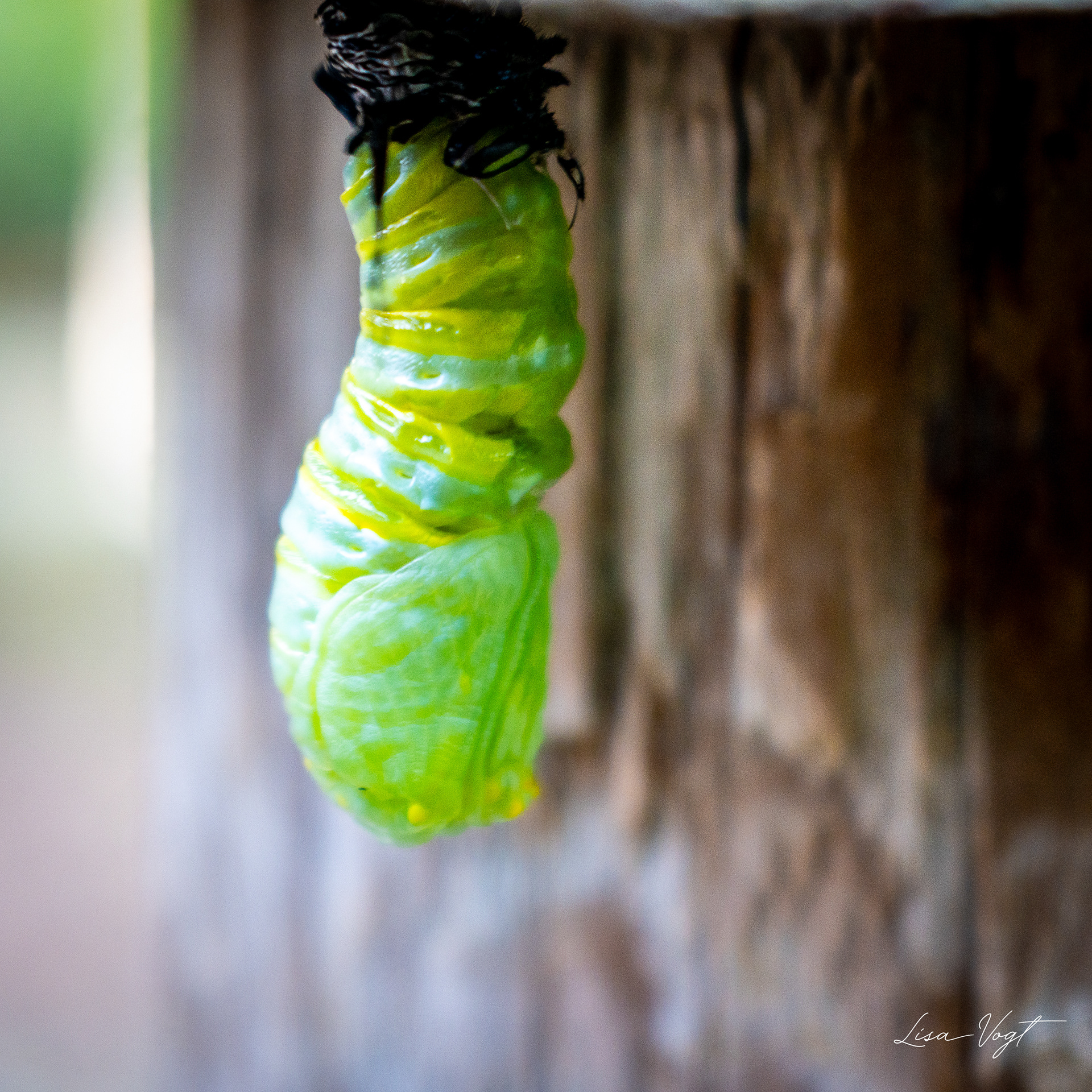
The caterpillar attaches itself to a branch or leaf and forms a jade-green chrysalis with tiny gold spots. Inside the chrysalis, an incredible metamorphosis takes place as the caterpillar’s body changes into a butterfly. This stage lasts about 10 to 14 days.
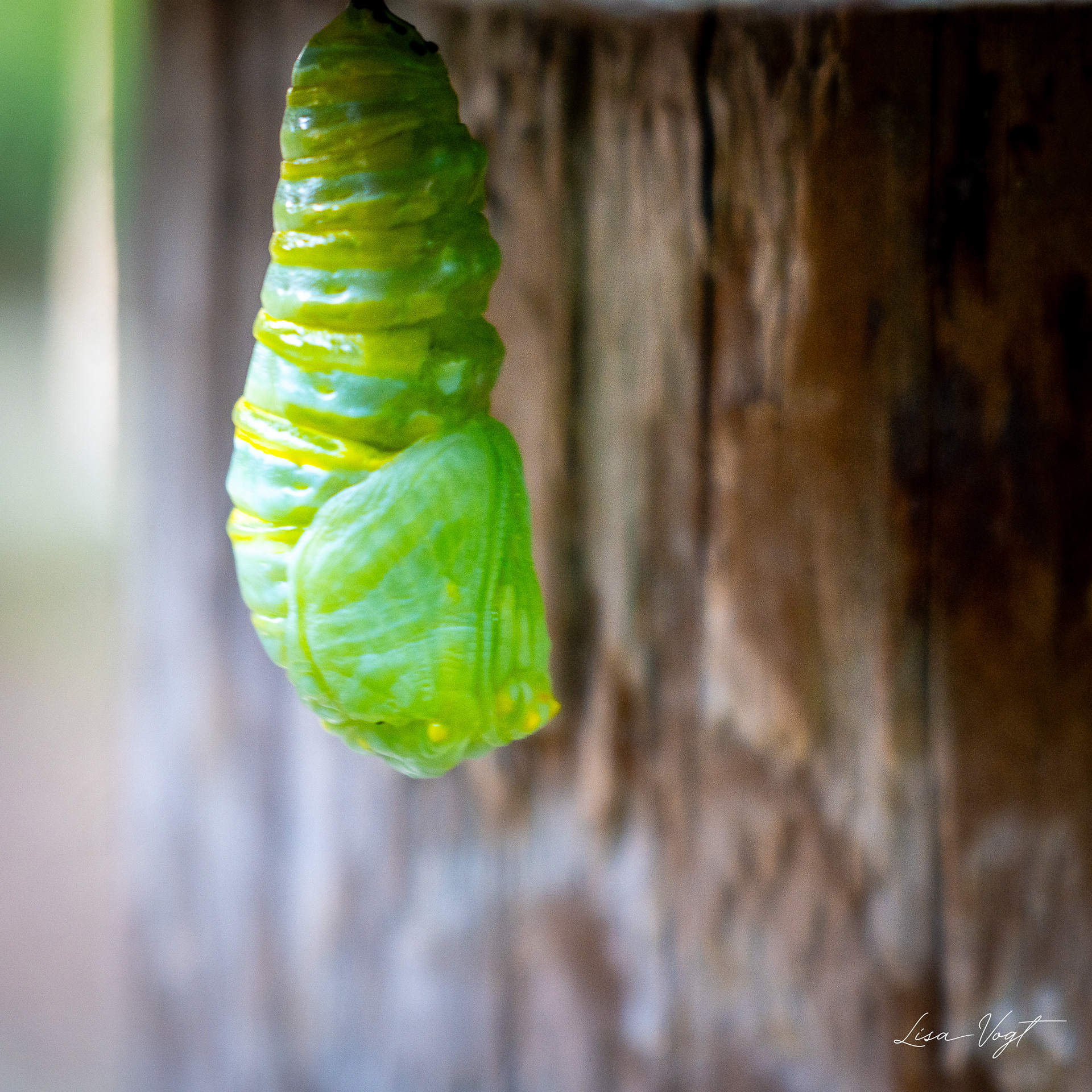
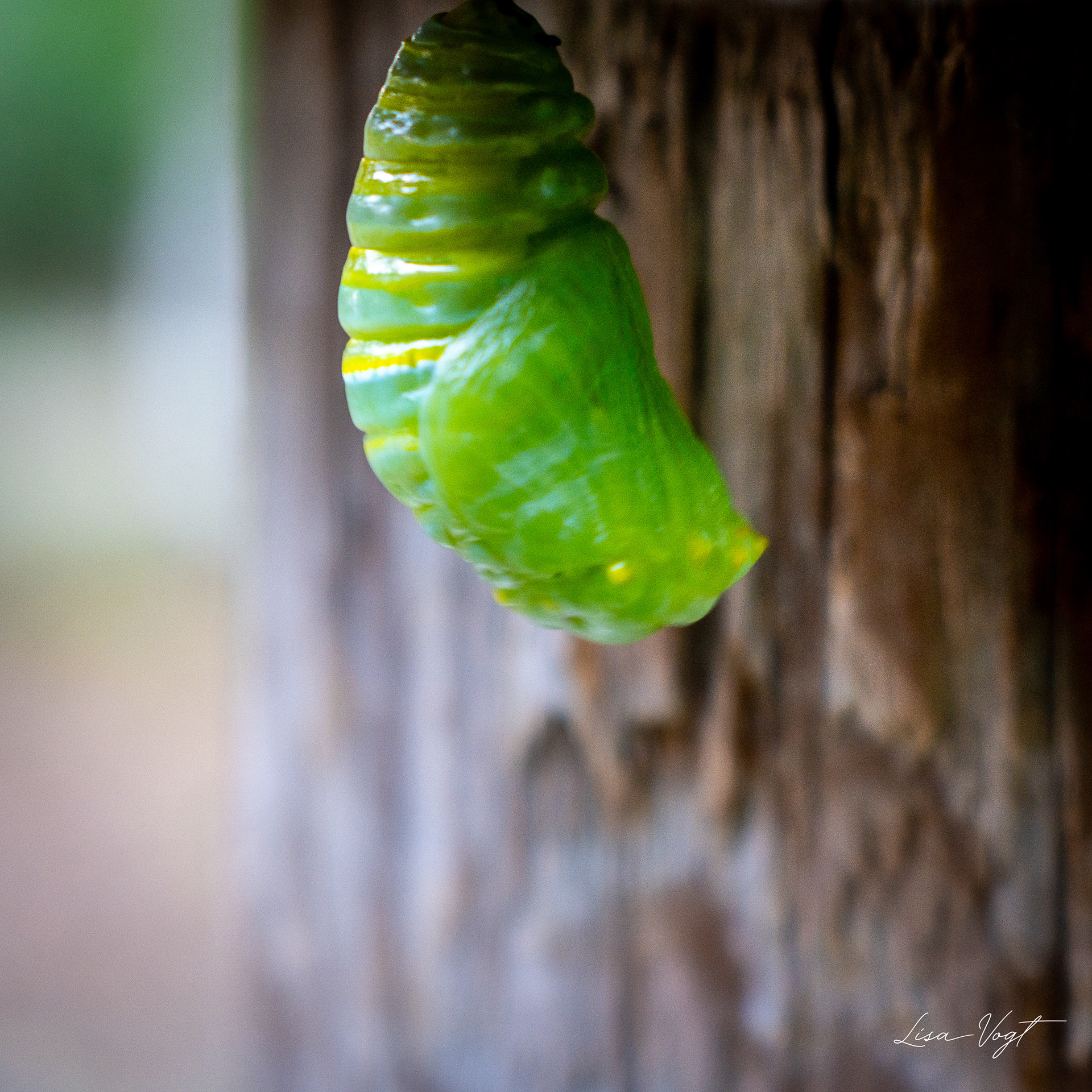
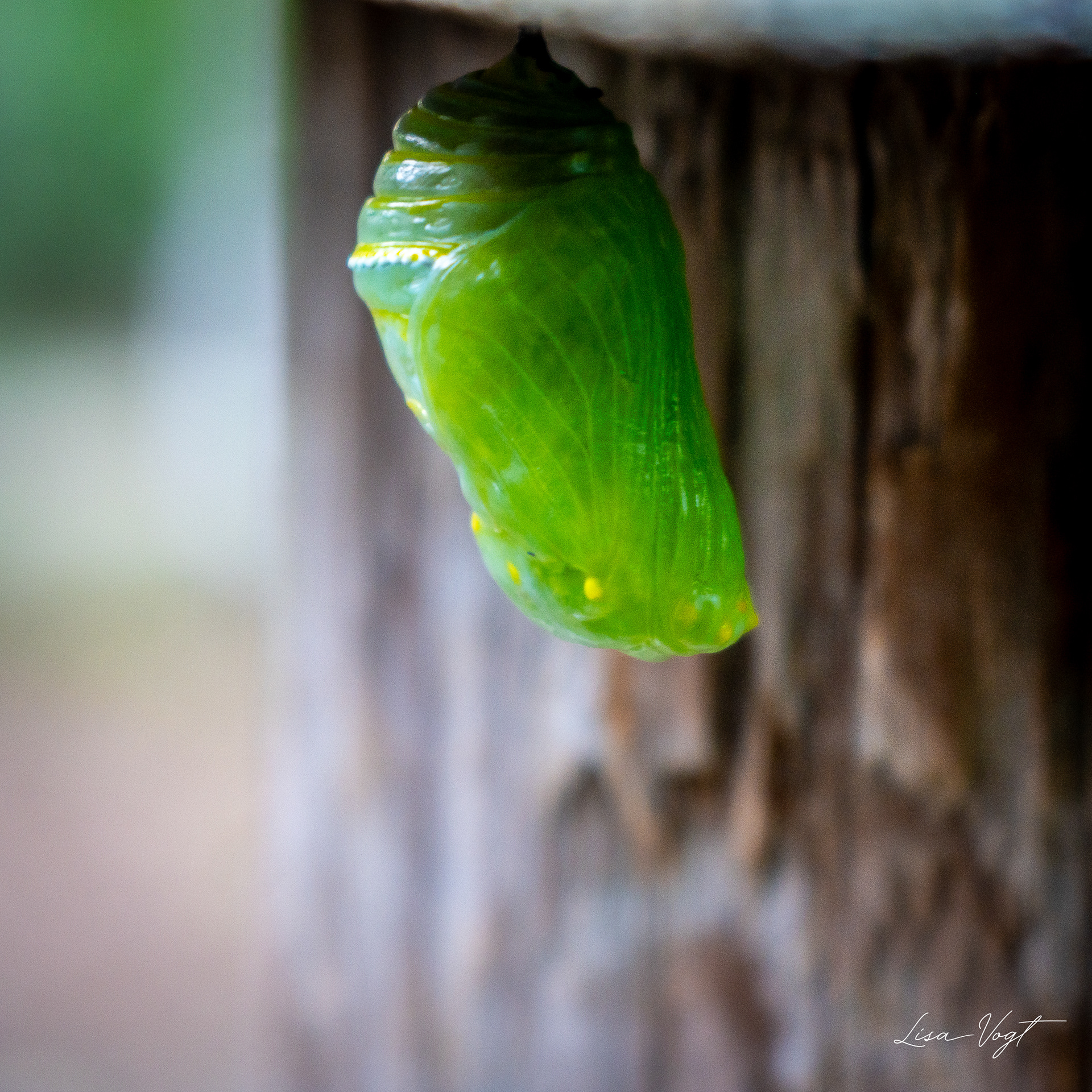
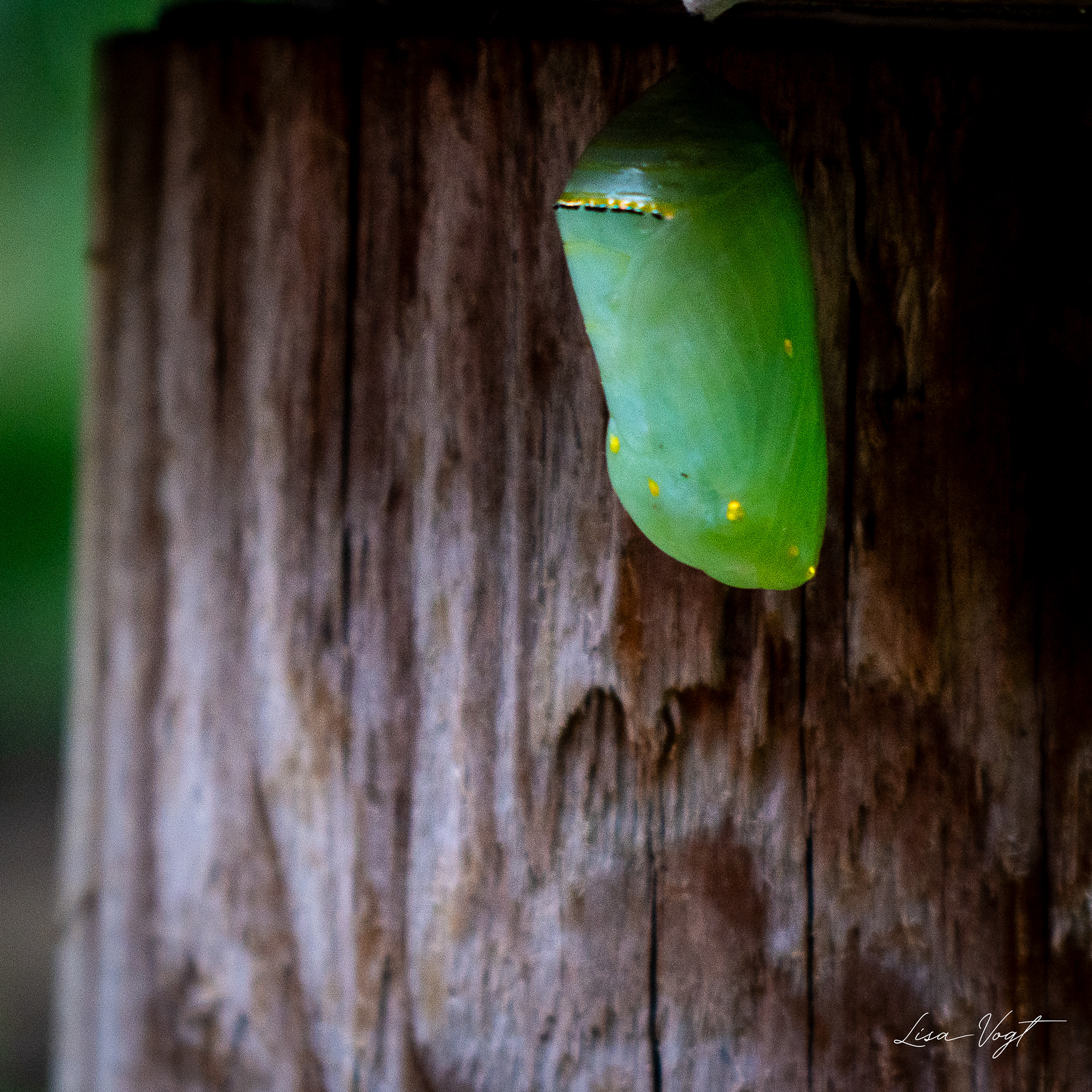
I have a butterfly garden in my backyard. My kids, and now my grand kids, and I enjoy looking for butterfly eggs and counting all the rapidly growing Monarch butterfly caterpillars on the Milkweed plants. Years ago I was fortunate enough to watch a caterpillar transform into a chrysalis and it was an amazing experience I've since wanted to share.
It's easy to spot the brightly striped caterpillars on the Milkweed plant. When they're large enough to change into a chrysalis the caterpillar leaves the Milkweed. They seek out a hidden place among the surrounding plants to hang in safety while they're vulnerable to being eaten by wasps and other garden residents. Spotting a leaving caterpillar is more difficult than you'd think. They travel farther than you'd expect. Finding a fully grown caterpillar hanging in the J position is a special event.
If you want to witness the spectacular beauty of nature at work your timing has to be perfect. It only takes a few minutes for the caterpillar to completely change from the J position into a sparkling green jewel. In less than 30 minutes the transformation is complete. And it only takes about 10 minutes for the caterpillar to go from a stripped J to a green shell. If you turn your back or get distracted you miss it all.
On this particular afternoon I saw a caterpillar hanging from a fence post and got super excited. I set my camera up on my tripod, got a comfy chair, a cold drink and waited.
It's exciting to share this extraordinary experience with you here.
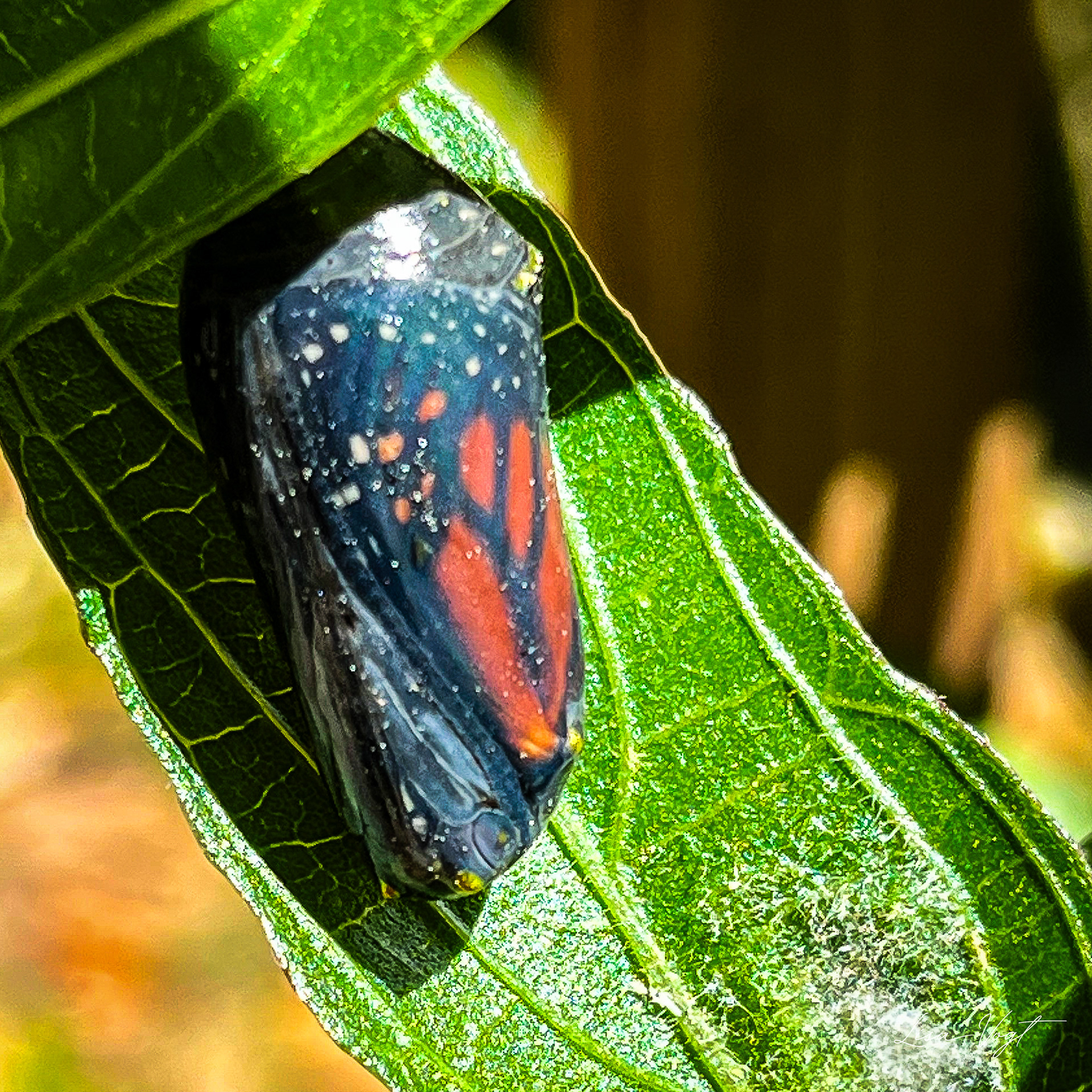
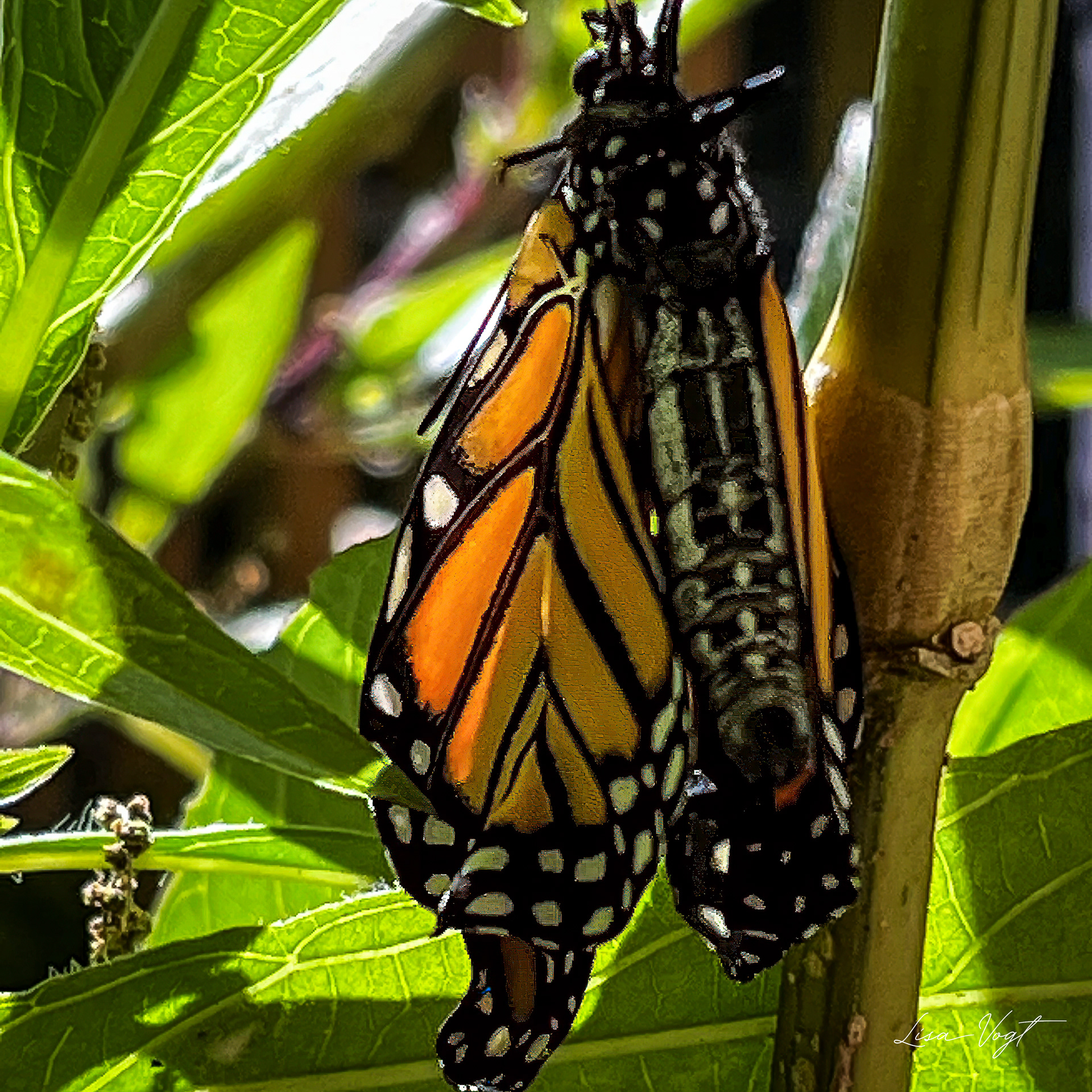
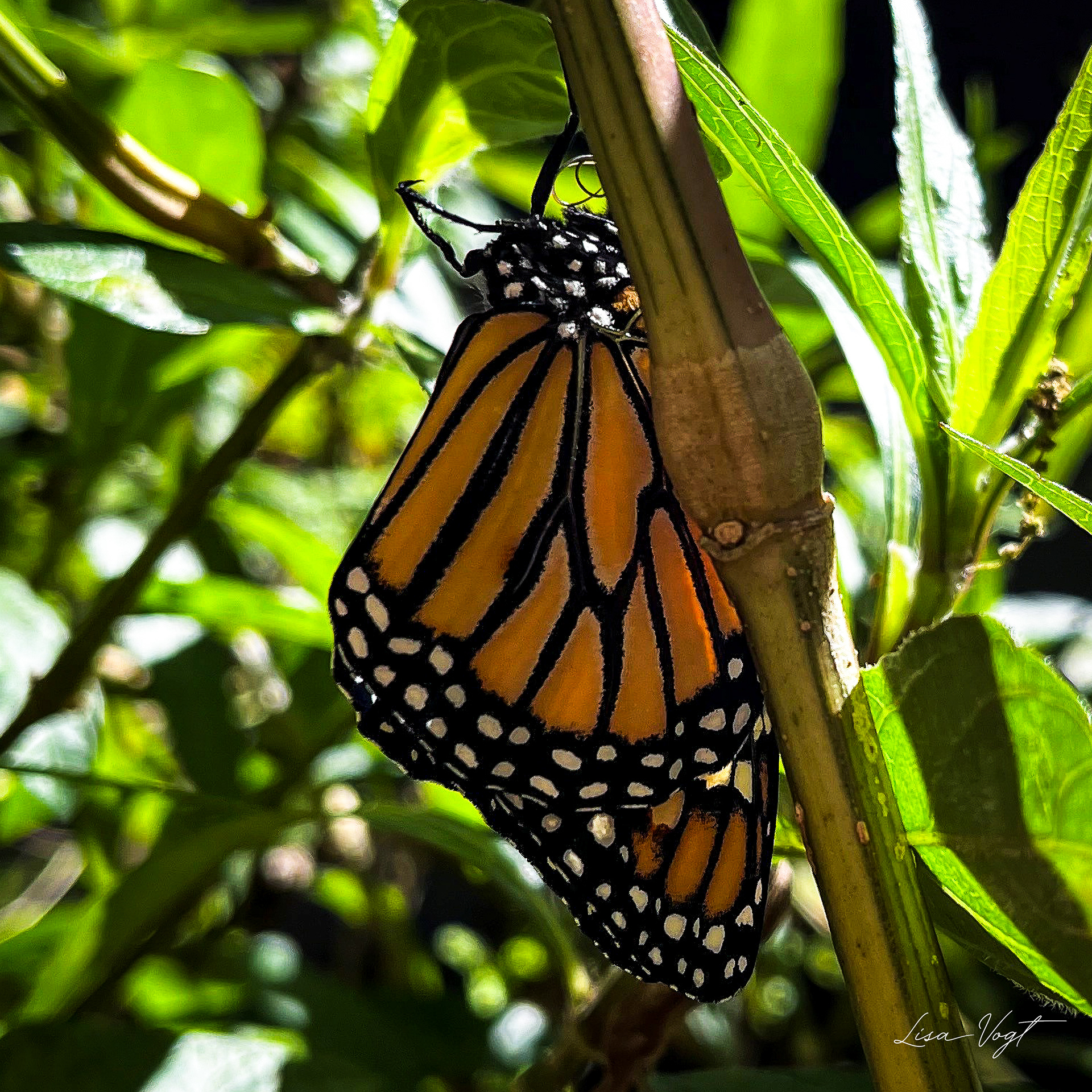
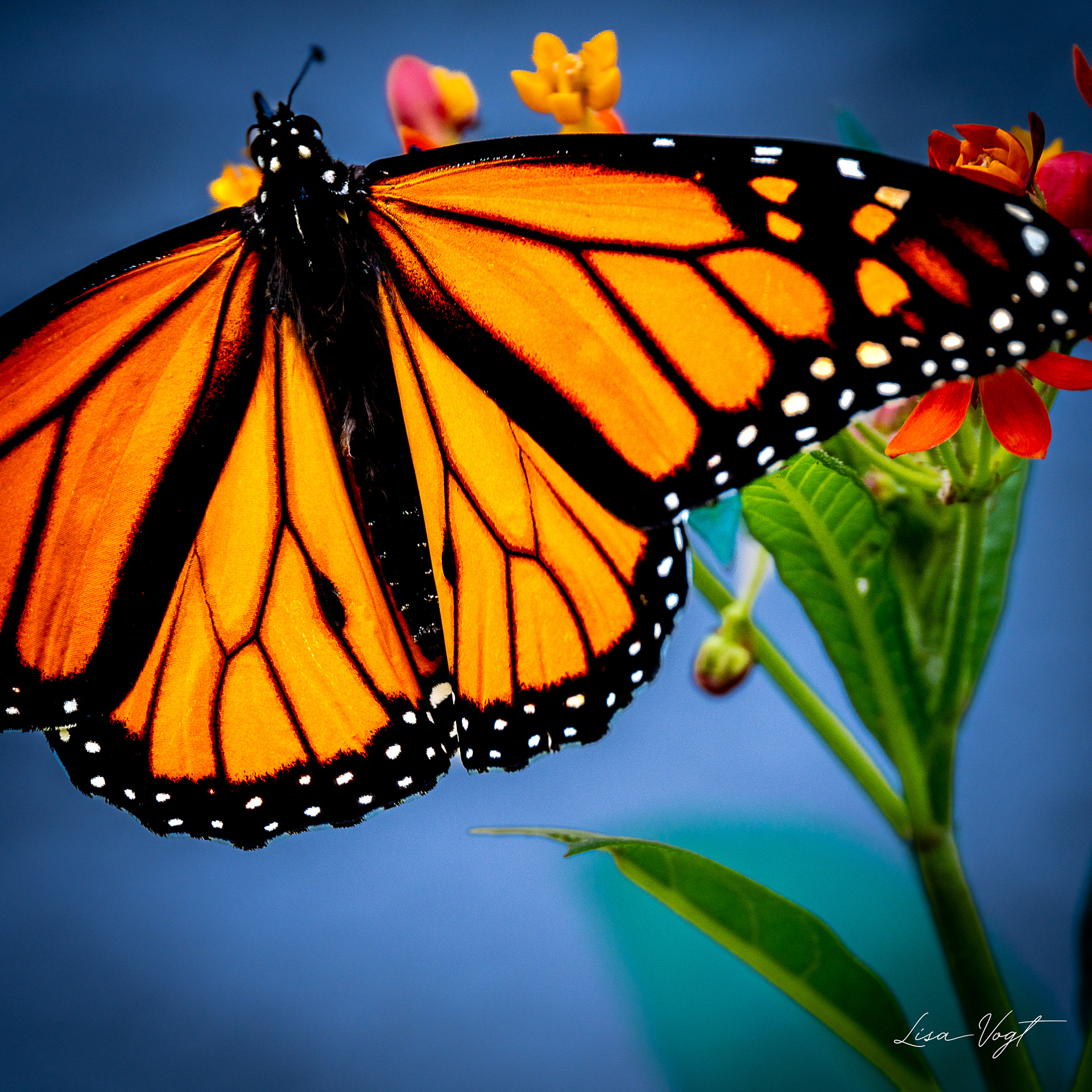
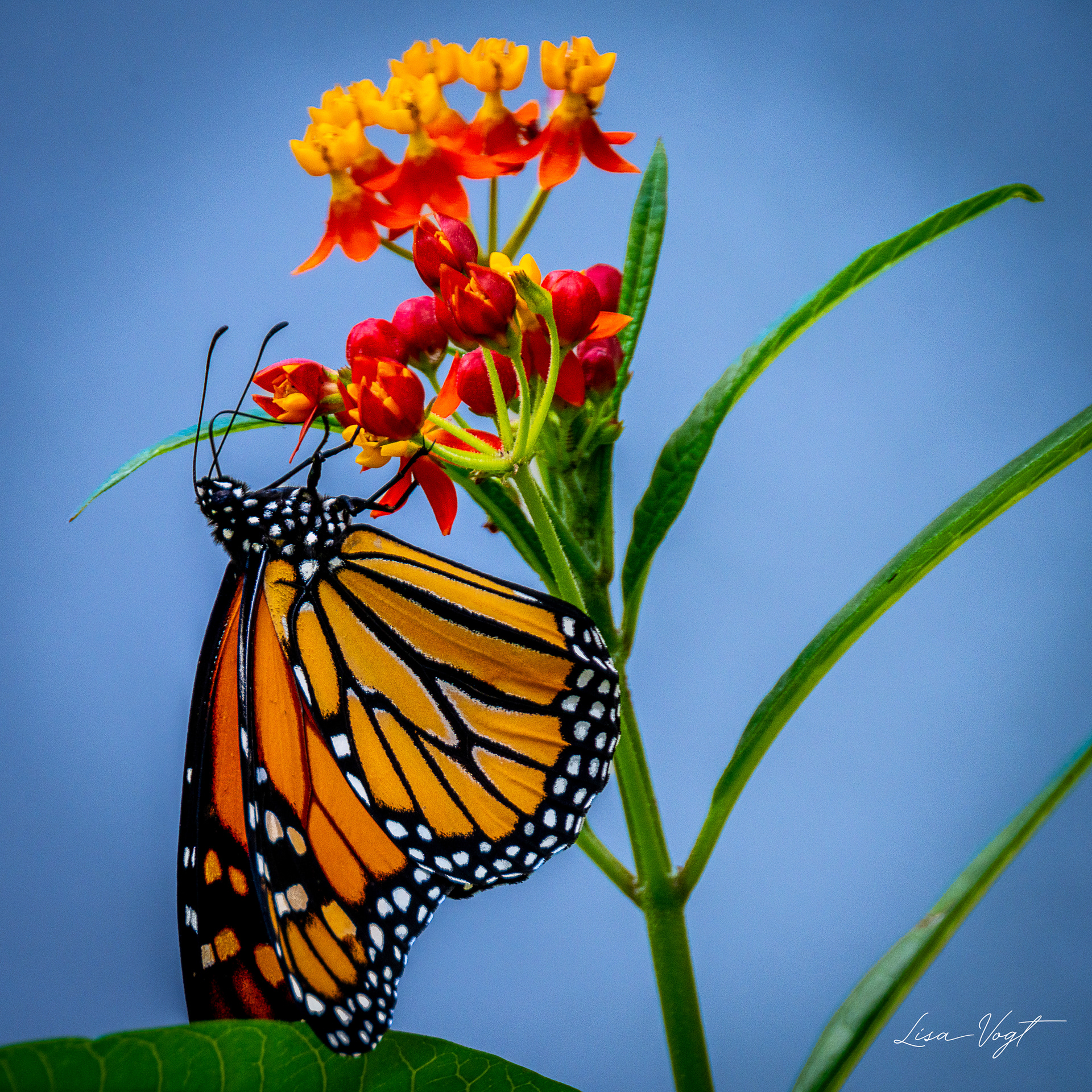
When the transformation is complete, the adult monarch butterfly emerges from the chrysalis. At first, its wings are soft and crumpled, but after pumping fluid into them and allowing them to dry, the butterfly is ready to fly. Adult monarchs feed on flower nectar, help pollinate plants, and continue the life cycle by mating and laying eggs on milkweed.
From a tiny egg to a beautiful orange-and-black butterfly, the monarch’s life cycle is one of nature’s most remarkable examples of change and renewal.